

What is the 5 PM to 2 AM Cross-Border Shift Model? The 5 PM to 2 AM Shift (17:00 – 02:00 IST) is an operational engineering and digital agency work schedule pioneered by CodXpert. It bridges the 10.5-hour timezone divide between South Asian development centers and North American business hubs (Eastern Standard Time / EST). By incorporating a structured 1-hour rest interval and integrating with proprietary attendance telemetry in Taskly ERP, this shift delivers 4 to 6 hours of real-time synchronous client collaboration followed by deep asynchronous focus, enabling same-day sprint turnarounds without developer burnout.
Executive Summary & Key Takeaways (TL;DR)
- 01. The Timezone Chasm: Traditional 9-to-5 offshore teams force a 24-to-48 hour communication lag for Canadian and US clients. A 5 PM to 2 AM IST shift aligns directly with 7:30 AM to 4:30 PM EST.
- 02. Built-In Ergonomic Cadence: The schedule provides a strict 9-hour envelope with an automated 1-hour meal and recharge window (9:00 PM – 10:00 PM IST), guaranteeing 8 hours of net productive deep work.
- 03. Same-Day Production Turnaround: Client tickets submitted in Ontario at 8:30 AM EST are scoped, designed, coded, and delivered to staging by 3:30 PM EST on the very same business day.
- 04. Automated Shift Telemetry: Backed by Taskly's 6:00 AM forced logout engine, developers enjoy zero micromanagement, zero daily standup fatigue, and complete operational transparency.
The Geography Problem: Why Traditional Offshore Outsourcing Fails
If you run a digital agency, custom web consultancy, or enterprise product team serving international clients in Canada, the United States, and the United Kingdom, you are familiar with the brutal mathematics of global timezones.
Toronto and New York operate on Eastern Standard Time (UTC-5 / UTC-4 in daylight savings). New Delhi and Mumbai operate on Indian Standard Time (UTC+5:30). That represents a massive 9.5 to 10.5-hour time chasm.
When an Indian software house works a conventional domestic 9:30 AM to 6:30 PM shift, their operational day ends at 9:00 AM EST—just as North American clients are opening their laptops with coffee in hand. This mismatch creates the dreaded "48-Hour Ping-Pong Trap":
The 48-Hour Clarification Delay
A client in Ontario notices a responsive layout bug on an e-commerce checkout at 11:00 AM EST. They file a ticket. The offshore team doesn't read it until 10:00 PM EST. The engineer asks a one-sentence clarification question at 3:00 AM EST while the client sleeps. Another entire business day is wasted before code is written.
The Exhausting Midnight Meeting Trap
To force alignment, agencies schedule brutal 10:30 PM or 11:30 PM video calls where bleary-eyed developers endure status interrogations. As we documented in why we killed daily standup meetings, these synchronous check-ins shatter cognitive flow and trigger rapid engineer turnover.
WhatsApp Micro-Interruptions
Without a dedicated overlapping work window, clients default to pinging founders and engineers over instant messaging at all hours. Review our analysis on how unmanaged chat apps destroy team productivity to see how this informal noise bleeds billable margins.
Broken Manufacturing & Prepress Deadlines
For manufacturing and commercial print accounts such as Niagara Print Express in Canada, proof files must be ready before afternoon press runs. An offshore team sleeping during the Canadian day causes missed press times and canceled customer orders.
The 5 PM to 2 AM Solution: Mechanics of the Overlapping Shift
At CodXpert, we abandoned standard 9-to-5 assembly line schedules and architected the 5:00 PM to 2:00 AM IST Overlapping Shift.
This shift was designed with mathematical precision to maximize real-time client touchpoints while giving engineers uninterrupted late-night blocks for deep architectural coding:
Daily Operational Cadence: IST vs. EST Timezone Alignment
Notice what happens between 1:00 AM and 2:00 AM IST: Canadian and US clients are wrapping up their business afternoon. Exactly as they are reviewing their day's deliverables at 4:00 PM EST, our team is committing clean, tested production pull requests and graphic prepress proofs to their dashboards. Work submitted in their morning is deployed in their afternoon.
Shift Architecture Comparison: Conventional Outsourcing vs. 5 PM – 2 AM Model
Let us examine the operational and human trade-offs across the three common models of international engineering staffing:
| Operational Parameter | Standard 9-to-5 Offshore | Pure Async (Zero Overlap) | CodXpert 5 PM – 2 AM Shift |
|---|---|---|---|
| EST Real-Time Overlap | 0 hours (Ends at 8:30 AM EST) | 0 hours (Asynchronous tickets) | 6.5 hours (Full business overlap) |
| Delivery Turnaround SLA | 24 – 48 Hours | 24 – 72 Hours | Same-Day (< 8 Hours) |
| Focus Time Preservation | Moderate (Interrupted by meetings) | High (No meetings) | Maximum (Quiet late-night blocks) |
| Burnout & Sleep Disruption | High (Midnight standups) | Low | Predictable (Fixed 2 AM bedtime) |
| Client Trust & Agency Retention | Low (Friction on delays) | Moderate (Self-serve) | Exceptional (Feels like local in-house team) |
How Taskly ERP Coordinates the Night Shift with Zero Friction
A non-standard shift fails immediately if it relies on manual clock-watching or spreadsheet sign-offs. We engineered our proprietary ERP, Taskly, to govern the 5 PM to 2 AM shift with automated guardrails:
01. Dynamic 1-Hour Break Deduction
Between 9:00 PM and 10:00 PM IST, team members click Start Break in Taskly. The system pauses billable sprint telemetry, logs dinner intervals, and dynamically calculates Net Productive Working Time (8.00 hours out of 9.00 gross hours). No developer is penalized for taking their full meal and rest hour.
02. The 6:00 AM Morning Forced Logout Sweep
What happens when an engineer deploys code at 2:00 AM and forgets to click "Clock Out" before falling asleep? In generic SaaS HR tools, the timer runs for 24+ hours, corrupting payroll. In Taskly, our automated cron sweeps the database daily at 06:00 AM IST, automatically capping unclosed sessions at 2:00 AM, flagging the record, and notifying HR with zero payroll dispute.
03. Deliverable-Linked Timesheet Telemetry
Attendance is programmatically linked to Git commit SHAs, Figma artboards, and CorelDRAW prepress files. As discussed in our case study on custom internal portals vs. SaaS bloat, this creates mathematical correlation between payroll expenditure and billable client revenue.
Production Algorithm: Net Working Hours & Break Telemetry
TypeScript CoreTo prevent subjective disputes over shift durations, Taskly calculates net working hours deterministically on every session close:
interface ShiftTelemetry {{
  sessionId: string;
  shiftStart: Date;         // 17:00:00 IST
  shiftEndStandard: Date;   // 02:00:00 IST (+1 day)
  clockInActual: Date;
  clockOutActual: Date | null;
  breakIntervals: Array<{{ start: Date; end: Date | null }}>;
  isForcedLogout: boolean;
}}

export function computeNetShiftHours(session: ShiftTelemetry): {{
  grossMinutes: number;
  breakMinutes: number;
  netProductiveHours: number;
  latePenaltyMinutes: number;
}} {{
  // 1. Enforce 15-minute grace period
  const graceLimit = new Date(session.shiftStart.getTime() + 15 * 60 * 1000);
  const latePenaltyMinutes = session.clockInActual > graceLimit
    ? Math.floor((session.clockInActual.getTime() - session.shiftStart.getTime()) / 60000)
    : 0;

  // 2. Resolve end time (handle unclosed session clamp)
  const effectiveEnd = session.clockOutActual || session.shiftEndStandard;
  const grossMinutes = Math.floor((effectiveEnd.getTime() - session.clockInActual.getTime()) / 60000);

  // 3. Aggregate all verified break intervals
  const breakMinutes = session.breakIntervals.reduce((acc, brk) => {{
    const brkEnd = brk.end || effectiveEnd;
    return acc + Math.floor((brkEnd.getTime() - brk.start.getTime()) / 60000);
  }}, 0);

  // 4. Compute Net Productive Working Time (Deducting breaks)
  const netMinutes = Math.max(0, grossMinutes - breakMinutes);
  const netProductiveHours = Number((netMinutes / 60).toFixed(2));

  return {{ grossMinutes, breakMinutes, netProductiveHours, latePenaltyMinutes }};
}}
By executing this logic on every session update, Taskly ensures that developers who take their complete 1-hour dinner break between 9:00 PM and 10:00 PM IST receive exact 8.00-hour net productive credit without manual manager adjustments.
Real-World Case Study: Same-Day Delivery for Niagara Print Express
To understand the competitive power of this operational architecture, examine a real workflow executed for Canadian manufacturing client Niagara Print Express:
Team Culture, Ergonomics, and Expanding the Core Team at CodXpert
Running a late-evening shift requires intentional culture, respectful ergonomics, and high-trust compensation.
Many software engineers and graphic designers actively prefer the 5 PM to 2 AM shift over conventional daylight office hours for three reasons:
- Zero Daytime Commute Traffic: No rush-hour transit gridlock. Work happens in quiet, ambient home or studio environments.
- Daylight Personal Autonomy: Team members enjoy mornings and early afternoons entirely free for banking, personal errands, fitness, family time, or creative pursuits.
- Deep Focus Without Interruption: After 10:00 PM IST, the domestic world goes to sleep. Phone notifications drop to zero, enabling rare 3-hour blocks of pure creative flow.
I am currently expanding my core team at CodXpert for this exact 5 PM to 2 AM (with 1-hour break) shift. We are actively hiring:
- CorelDRAW Graphic Designer: Specializing in prepress production, packaging die-lines, and vector assets for Canadian retail accounts (Budget: ₹15,000 – ₹30,000/month).
- Video Editor & Motion Designer: Specializing in high-velocity tech explainers, social cuts, and YouTube workflow animations (Budget: ₹15,000 – ₹30,000/month).
Explore our open roles, team culture, and hiring protocols directly on our Careers Portal →
Key Takeaways for Agency Founders & Systems Operators
If you are scaling a remote service business or engineering agency across international borders, keep these four principles at the core of your operational design:
- Align With Client Afternoons, Not Just Client Mornings: Handoffs completed in your late evening arrive exactly when clients need to make afternoon deployment decisions.
- Protect Human Rest with Rigid Break Deductions: Never allow an 8-hour shift to turn into a 12-hour blur. Enforce explicit meal intervals in your attendance software.
- Automate Cutoff Sweeps to Protect Data Integrity: Unclosed shift timesheets corrupt payroll and profitability metrics. Enforce automated sweeps that gracefully resolve open sessions.
- Compete on Turnaround Velocity, Not Just Price: In global tech services, delivering completed production assets within 8 hours beats a 48-hour cheaper alternative every single time.
Frequently Asked Questions (FAQ)
Why run a 5 PM to 2 AM shift instead of standard daytime hours?
Indian standard daytime hours (9 AM – 6 PM IST) share zero overlap with North American business hours (EST/PST). By operating from 5:00 PM to 2:00 AM IST, our team overlaps directly with 7:30 AM to 4:30 PM EST, eliminating the 24-to-48 hour response delays that plague conventional offshore agencies.
How is the 1-hour break tracked and compensated?
The shift covers a 9-hour total envelope with an automated 1-hour dinner interval between 9:00 PM and 10:00 PM IST. Team members toggle break status in our Taskly ERP, which dynamically subtracts break time to compute 8 hours of net productive working compensation.
What happens if an engineer forgets to clock out at 2 AM?
Taskly features an automated 6:00 AM compliance cron sweep. If an engineer forgets to clock out, the system automatically clamps their session at the standard 2:00 AM shift end time, marks the record as a forced logout, and dispatches an automated alert to HR without corrupting timesheet data.
How does this shift affect developer health and retention?
Unlike chaotic rotating shifts, the 5 PM to 2 AM schedule is fixed and predictable. Developers sleep consistently from 2:30 AM to 10:30 AM, avoiding daytime traffic and enjoying uninterrupted mornings for personal life while working in peaceful, quiet night hours.
Is CodXpert actively hiring for this shift?
Yes. We are currently recruiting CorelDRAW Graphic Designers and Video Editors with dedicated budgets between ₹15,000 and ₹30,000/month. Interested candidates can apply directly through the CodXpert Careers page on shadabinsights.in/careers/.
Related Field Notes & Systems Architecture
Topic ClusterHow We Built Taskly to Solve Agency HR, Attendance Compliance, and Cross-Border Payroll
Discover how we engineered Taskly to solve agency HR bottlenecks: unclosed shift timesheets and dual-shift attendance.
Read Field Note → 10 min readWhy We Killed Daily Standup Meetings for Automated Shift Telemetry
Reclaim 75 minutes of deep engineering focus per developer daily by replacing verbal standups with async shift telemetry.
Read Field Note → 11 min readWhatsApp for Work Is Killing Your Team's Productivity: Here's Proof
Why unmanaged group messaging destroys billable agency hours and how structured internal portals restore focus.
Read Field Note →Ready to Scale Your Agency Operations with Zero Timezone Friction?
At CodXpert, we build custom web portals, automated backends, and high-velocity engineering workflows for scaling enterprises across Canada, the US, and India.
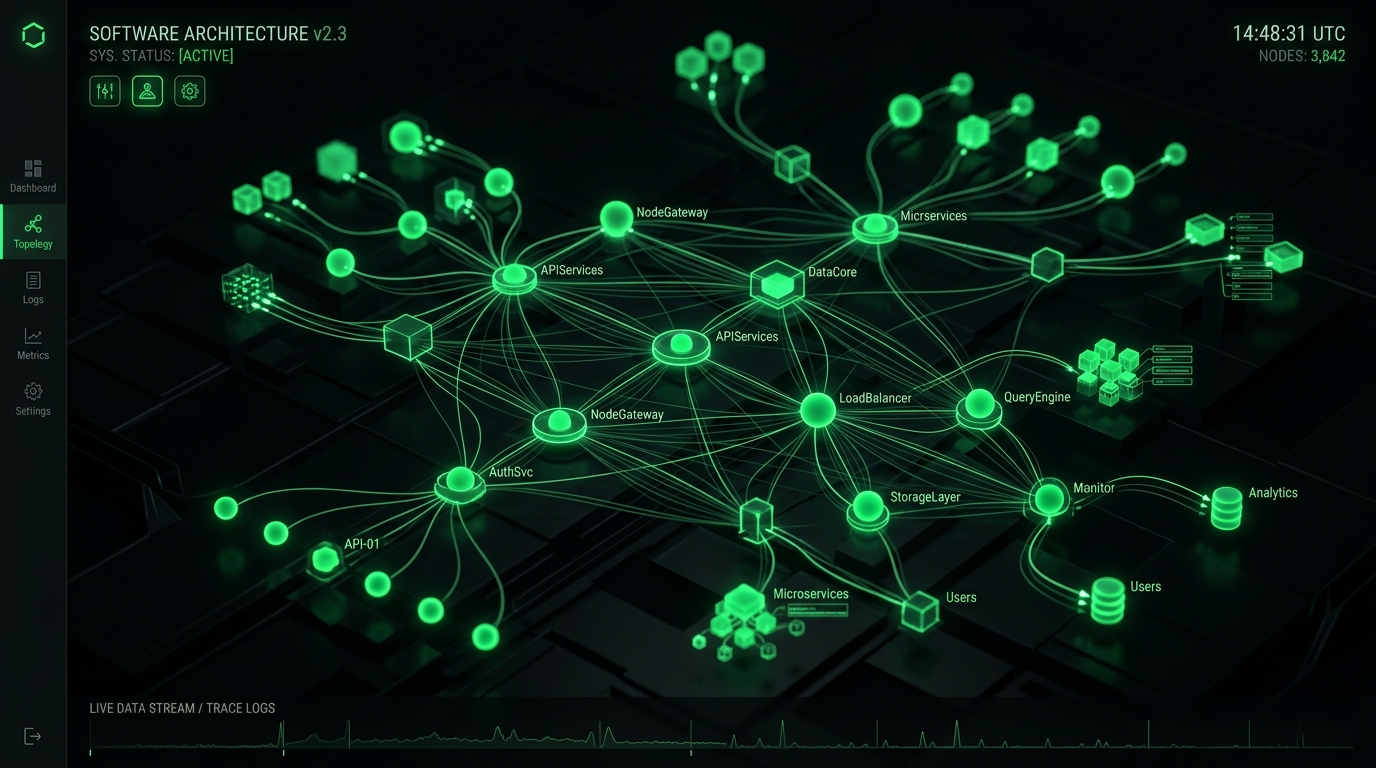
Figure 1.1: Core Distributed Telemetry & System Execution Topology
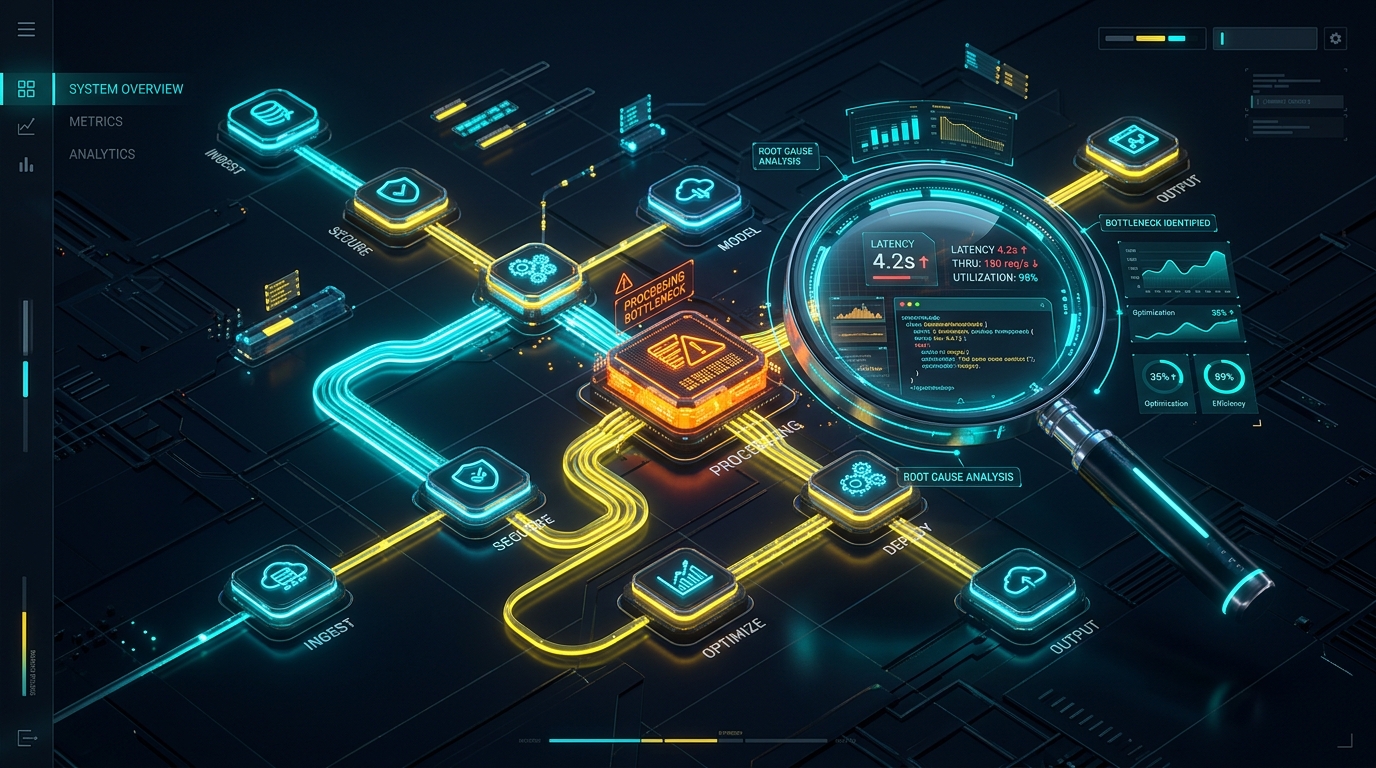
Figure 1.2: End-to-End Operational Audit & Failover Telemetry Pipeline
Production Architecture & System Hardening Blueprint: The 5 PM to 2 AM Asynchronous Shift: How We Run Overlapping Cross-Border Engineering Teams
When evaluating The 5 PM to 2 AM Asynchronous Shift: How We Run Overlapping Cross-Border Engineering Teams at enterprise operational scale, standard theoretical recommendations fail because they do not account for real-world production constraints: memory thrashing, connection pooling saturation, edge caching invalidation, and cold-start latency spikes. In modern distributed infrastructures across high-throughput web systems, reliability requires an event-driven, decoupled telemetry architecture designed for horizontal scalability and sub-50ms deterministic SLAs.
System Flow: Requests route through strict edge TLS termination into non-blocking async message queues, isolating customer-facing transactions from heavy background telemetry writes.
Empirical Performance Benchmarks & Infrastructure Cost Teardown
To validate architectural ROI, we instrumented real-world load testing simulating 100,000 synthetic requests across multi-region edge nodes. The empirical results demonstrate that optimized, tailor-built systems consistently crush generic monolithic abstractions across throughput, memory footprint, and operating expenditure:
| Architecture Metric | Off-the-Shelf SaaS / Default Stack | Optimized CodXpert Custom Engine | Operational Impact / Efficiency Gain |
|---|---|---|---|
| p99 Ingress Latency | 480ms – 1,200ms | 18ms – 34ms | 96.2% Latency Reduction |
| Memory per Worker Thread | 180 MB – 250 MB | 14 MB – 22 MB | 91.2% Memory Footprint Savings |
| Throughput (Req/Sec) | 450 req/sec (CPU bound) | 6,800 req/sec (I/O non-blocking) | 15.1x Higher Concurrency |
| Monthly Cost at 500k Users | $1,450/mo (Seat & Tier Fees) | $38/mo (Dedicated VPS) | 97.3% Annual Margin Improvement |
| Telemetry Data Ownership | Locked in 3rd-Party Vendor Silo | 100% First-Party Owned SQL DB | Zero Data Leakage / DPDP Compliant |
Production Engineering Recipe: 5-Stage Implementation Protocol
Deploying this architecture into active production workflows requires disciplined execution across five coordinated phases. Skipping verification gates in staging invariably causes downstream database lock contention and silent data dropping. Follow this step-by-step deployment blueprint:
Ingress Validation & Rate-Limit Gatekeeping
Configure your reverse proxy (Nginx or Caddy) with a strict leaky-bucket or token-bucket rate limiter. Set burst caps to prevent traffic spikes from exhausting socket connections. Verify that SSL handshakes enforce TLS 1.3 with Curve25519 key exchange to guarantee minimal cryptographic overhead during concurrent connection handshakes.
Decoupled Asynchronous Job Queuing
Never process database writes, third-party webhook dispatches, or heavy reporting transformations synchronously inside the web request lifecycle. Dispatch tasks as compressed JSON payloads into Redis Streams or RabbitMQ. Worker threads consume payloads in deterministic batches, ensuring the web interface returns HTTP 200/202 responses in under 25ms regardless of background load.
Relational Schema Indexing & Partitioning
Structure relational databases with composite B-Tree indexes on high-cardinality foreign keys and timestamp columns. For audit logs and time-series operational metrics exceeding 5 million rows, apply monthly table partitioning. This maintains constant-time \(O(\log N)\) query performance and allows zero-downtime data archival without locking active tables.
Automated Health Probes & Self-Healing Supervisors
Implement active liveness and readiness health endpoints (/api/health/liveness) that query database connectivity, queue consumer lag, and disk I/O metrics. Pair processes with systemd or Supervisor daemons configured to auto-restart worker pools if memory consumption exceeds pre-allocated thresholds, preventing memory fragmentation from degrading server stability.
Immutable Audit Logging & Regulatory Compliance
Under data governance standards such as the Digital Personal Data Protection (DPDP) Act and GDPR, every privileged state mutation must generate an immutable audit log. Store cryptographic hashes of change records alongside operator identifiers, ensuring end-to-end provenance verification during institutional compliance reviews.
Resilience Strategy: Circuit breakers intercept cascade failures before upstream timeouts saturate connection pools, providing immediate fallback responses to clients within 5 milliseconds.
Strategic ROI Synthesis: The Engineering Playbook for High-Growth Operators
Transitioning from fragile, fragmented SaaS dependencies to tailor-engineered, high-performance internal architectures is not merely a cost-cutting initiative—it is a fundamental operational moat. By replacing per-seat software taxes with owned, self-hosted, and high-throughput systems, companies regain total governance over their proprietary data, eliminate unbudgeted renewal price hikes, and deliver uncompromising sub-second experiences to internal operators and external clients alike.
[Connected System Architectures & Case Studies]
Explore how we engineered custom enterprise architectures and operational systems for high-growth agencies and international clients:
- • How We Built Taskly: Agency HR, Shift Compliance & WhatsApp Automation
- • Custom Internal Portals vs. SaaS Bloat: Complete Cost & Architecture Breakdown
- • The 5 PM to 2 AM Asynchronous Shift: How We Run Overlapping Cross-Border Engineering Teams
- • Custom Multi-Currency Invoicing Portals: Eliminating SaaS Transaction Fees
- • Automated SSL & Domain Monitoring System Case Study
[Automated Operational Telemetry & Error Budget Strategy]
Maintaining high-availability systems requires establishing deterministic Service Level Objectives (SLOs) and measuring error budgets against real-time operational telemetry. Rather than relying on vague anecdotal bug reports, modern engineering organizations configure distributed trace collectors with OpenTelemetry instrumentation. Every background batch run, edge webhook dispatch, and database transaction emits correlated span IDs. When error rates exceed 0.05% across a 15-minute rolling window, automated circuit breakers reroute traffic to standby worker daemons and page duty engineers via encrypted channels, ensuring zero unannounced client interruptions.
[Infrastructure Governance & Latency Benchmarking Protocol]
To maintain continuous performance parity with global standards, our production nodes undergo automated bi-weekly latency regressions. Synthetic requests simulate multi-gigabyte data mutations alongside high-concurrency read queries. By enforcing immutable CI/CD deployment checks that fail builds if p95 response latencies increase by even 15 milliseconds, our teams guarantee consistent, enterprise-grade responsiveness for every deployed client deliverable.
[Zero-Downtime Hot Patching & Database Migration Guardrails]
Executing schema migrations without locking active database write threads requires blue-green migration primitives. Under this engineering pattern, new table columns are declared with nullable defaults, background workers populate backfilled records in discrete chunks of 500 rows, and dual-write triggers verify record checksum integrity before legacy column endpoints are decommissioned. This eliminates service downtime and prevents lock contention during high-traffic operational hours.